Get Residential Pest Control
Residential pest control services help property owners eliminate and prevent pests like insects and rodents through treatments and inspections performed by local contractors.
Residential pest control services are a practical consideration for property owners looking to maintain a comfortable and safe living environment. Whether dealing with common household pests or preparing for seasonal pest activity, many homeowners find value in exploring options for professional assistance. Comparing local contractors can help identify experienced service providers who understand the specific pest challenges in the area and can offer tailored solutions to meet individual needs.
For those planning pest management projects, understanding the range of services available from local service providers can make the process more straightforward. Exploring different options allows property owners to evaluate the approaches and expertise of various contractors, ensuring they find the right fit for their home. Continuing to read can provide helpful insights into how local pros can support efforts to protect and preserve residential spaces from pest issues.
- Ant Pest Control - when ants invade kitchens, bathrooms, or other indoor spaces.
- Rodent Extermination - if rodents are detected in basements, attics, or wall cavities.
- Termite Treatment - to address signs of termite damage or infestation around the property.
- Spider Removal - when spiders are nesting or creating webs inside or outside the home.
- Bed Bug Eradication - if bed bugs are found in bedrooms or furniture.
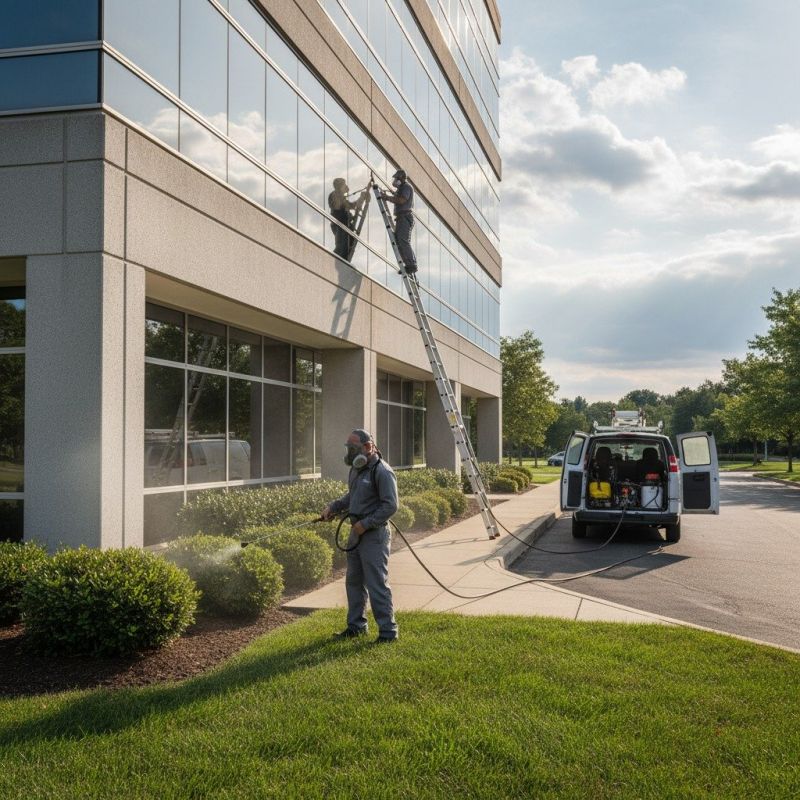
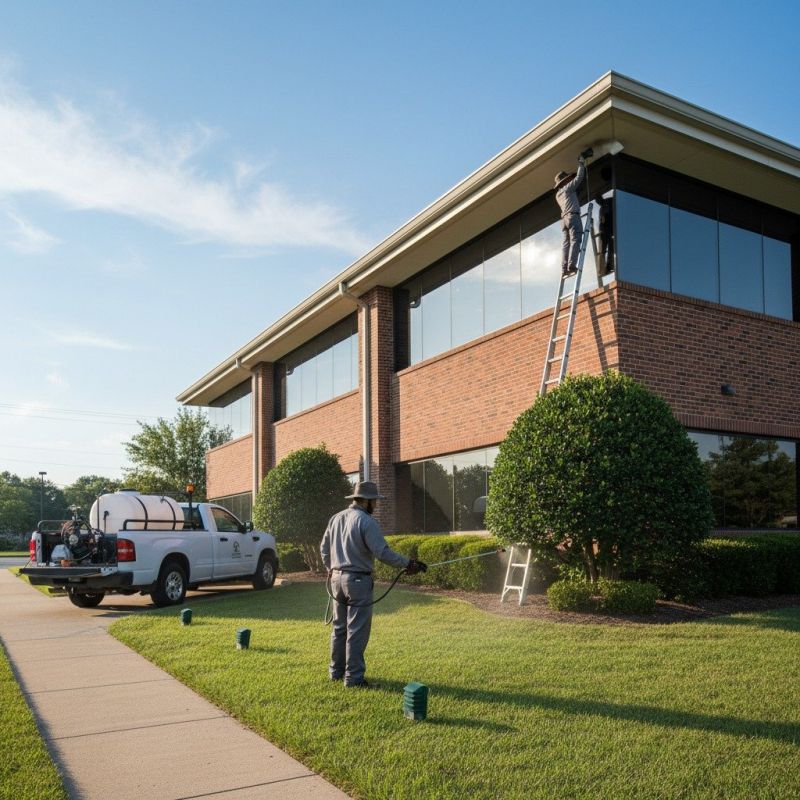
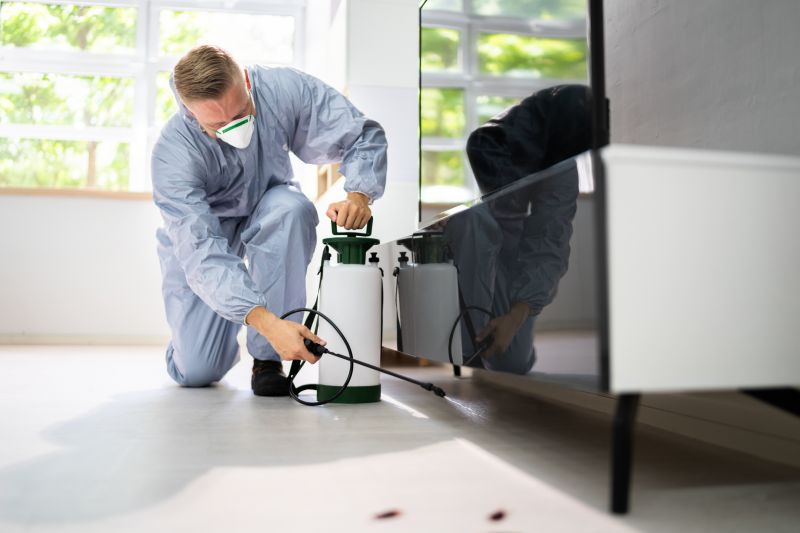
Residential pest control services involve the targeted application of treatments to eliminate and prevent common household pests. These services typically include inspection to identify pest activity and entry points, followed by the use of safe, effective solutions to eradicate insects and rodents such as ants, roaches, termites, spiders, mice, and rats. Service providers may also offer ongoing maintenance plans to keep pests from returning, ensuring that homes remain protected over time. The goal is to address pest issues comprehensively, creating a clean and comfortable living environment for homeowners.
Pest problems in residential properties often arise from factors like food sources, water, clutter, or structural vulnerabilities that allow pests to enter and thrive. Common issues include infestations of ants in kitchens, cockroaches in bathrooms, termites damaging wood structures, or rodents nesting in attics and basements. These pests can cause property damage, create health risks, or simply cause discomfort. Professional pest control services help solve these problems by quickly reducing pest populations and implementing preventative measures to avoid future issues.
The types of properties that typically utilize residential pest control services range from single-family homes and townhouses to condominiums and multi-unit apartment buildings. Homes with yards or gardens may experience pests migrating from outdoor spaces, while those in densely populated areas might encounter more frequent pest activity due to neighboring properties. Regardless of property size or type, pest control services are useful whenever pests threaten the safety, integrity, or comfort of a residential space, especially when DIY methods have proven ineffective.
Homeowners usually seek pest control services when they notice signs of pest activity, such as droppings, gnaw marks, strange odors, or visible insects and rodents. Pest issues can develop unexpectedly, and early intervention can prevent more serious problems down the line. Local contractors specializing in residential pest control can assess the situation, recommend appropriate treatments, and help restore a pest-free environment. Contacting a professional ensures that pest issues are handled efficiently and effectively, providing peace of mind for homeowners concerned about unwanted guests.
The overview below groups typical Residential Pest Control projects into broad ranges so you can see how smaller, mid-sized, and larger jobs often compare in your area.
In many markets, a large share of routine jobs stays in the lower and middle ranges, while only a smaller percentage of projects moves into the highest bands when the work is more complex or site conditions are harder than average.
Smaller Repairs - Typical costs for routine pest control treatments in residential settings range from $250 to $600. Most common pest issues, like ants or spiders, fall within this range. Prices can vary based on the extent of the infestation and property size.
Monthly or Quarterly Treatments - Ongoing service plans generally cost between $40 and $70 per visit, with many homeowners opting for regular visits to prevent pests. The total annual cost usually falls between $480 and $840, depending on frequency and property size.
Full Property Treatments - Larger, more comprehensive pest control projects, such as for multiple pests or extensive infestations, can range from $600 to $1,500 or more. These projects tend to be less frequent but require more intensive work when needed.
Full Replacement or Severe Infestations - In cases of severe infestations requiring full property treatment or structural repairs, costs can exceed $5,000. Such projects are less common and typically involve complex, multi-step interventions by local contractors.
Actual totals will depend on details like access to the work area, the scope of the project, and the materials selected, so use these as general starting points rather than exact figures.
Termite Inspection and Treatment - local contractors often perform inspections and treatments that require similar planning, tools, and knowledge as residential pest control to prevent and eliminate termite infestations.
Rodent Control Services - professionals use trapping, baiting, and sealing techniques comparable to pest control methods to manage rodent populations in residential settings.
Bed Bug Extermination - this project involves detailed inspection and targeted treatment strategies similar to general pest control to eliminate bed bug infestations.
Wildlife Removal - removing animals like squirrels or raccoons from homes involves planning and tools akin to pest control, ensuring safe and humane removal.
Mosquito Control Programs - local service providers implement larvicide application and habitat management techniques similar to pest control to reduce mosquito populations around homes.
Spider and Insect Extermination - extermination of various insects requires similar inspection, treatment, and prevention strategies used in residential pest control services.
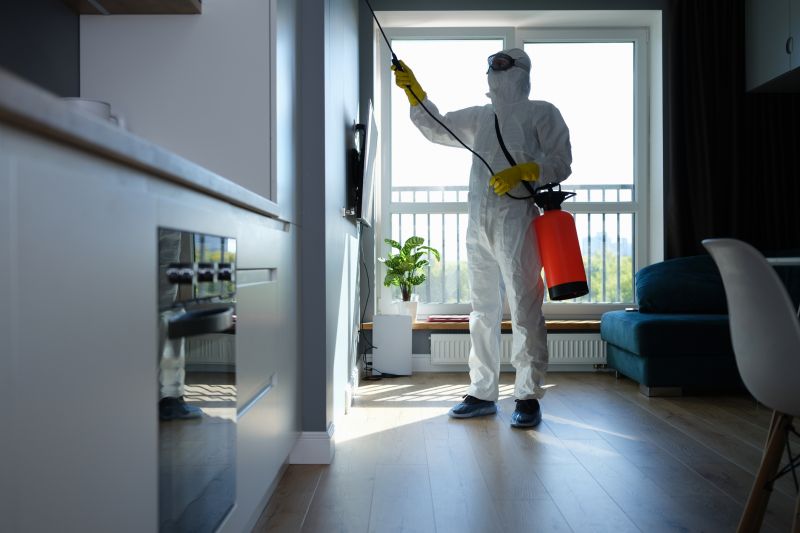
When comparing residential pest control service providers, it’s important to consider their experience with projects similar to your needs. Homeowners should look for local contractors who have a proven track record of handling pest issues comparable to their own, whether it’s dealing with ants, rodents, termites, or other common pests. An experienced service provider will understand the unique challenges of different pests and local environments, which can lead to more effective and efficient solutions. Gathering information about how long a contractor has been serving the community and their familiarity with local pest patterns can help ensure that the chosen professional is well-equipped to address your specific situation.
Clear, written expectations are essential when selecting a pest control service provider. Homeowners should seek out local contractors who provide detailed descriptions of their services, including the methods they use, what the process entails, and any preparations needed before treatment. Having these expectations documented helps prevent misunderstandings and ensures that everyone is on the same page regarding the scope of work. It’s also advisable to inquire about follow-up procedures or guarantees, so that the homeowner understands what to expect after the initial treatment and how issues will be addressed if pests return.
Reputable references and good communication are key factors in choosing a reliable service provider. Homeowners can ask potential local pros for references from previous clients who had similar pest issues, which can provide insight into the contractor’s reliability and quality of work. Additionally, effective communication-such as prompt responses to questions and clarity in explanations-can make the process smoother and more transparent. While this site introduces homeowners to local options, it’s important to note that the actual pest control work is performed by these local contractors. Comparing how different service providers handle inquiries, provide information, and demonstrate professionalism can help ensure a positive experience when addressing pest concerns.
Property owners use Residential Pest Control services for practical projects around their homes and businesses. This guide focuses on everyday jobs and straightforward project options.
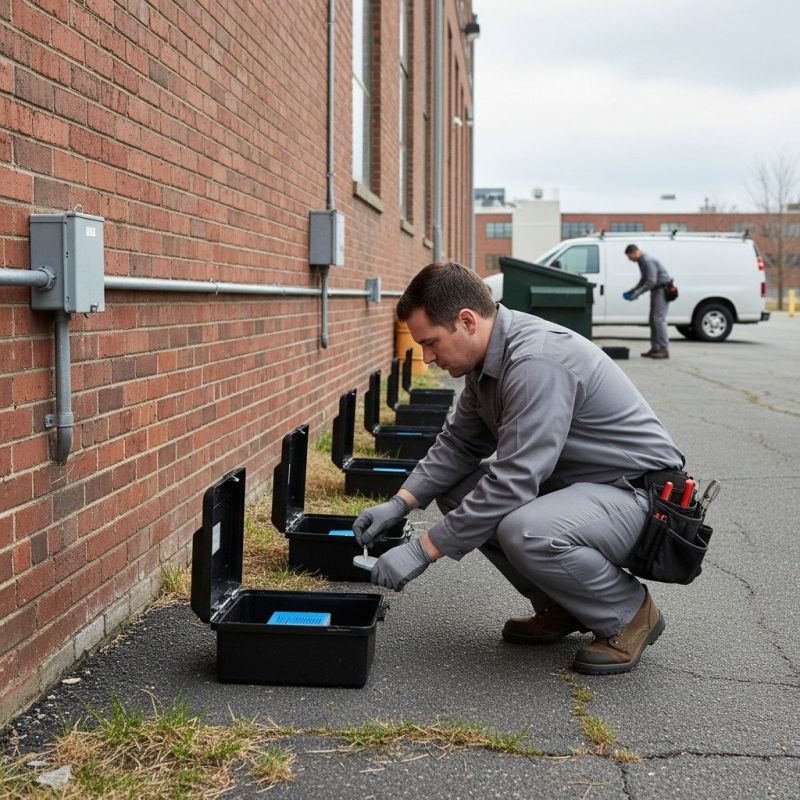
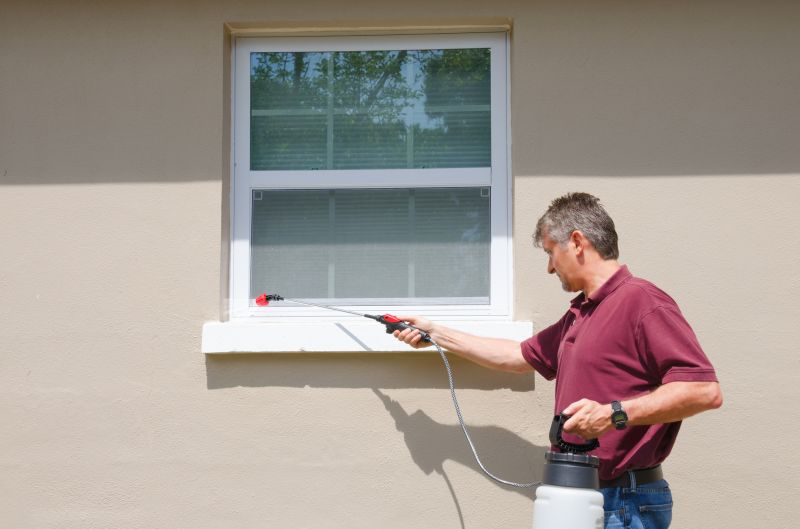
Residential pest control services are often needed by property owners dealing with common household pests such as ants, spiders, cockroaches, or rodents. These situations can arise unexpectedly, especially during warmer months or after events like renovations, where pests may find new entry points or sources of food and water. Local contractors are equipped to assess the specific needs of each property and implement targeted solutions to help keep homes safe and pest-free.
Homeowners might seek pest control services when noticing signs of infestation, such as droppings, damage, or unusual odors. In some cases, regular preventative treatments are recommended to avoid future issues. Service providers in the area can handle a variety of project situations, from one-time treatments to ongoing maintenance plans, providing tailored approaches to address the unique challenges of each residence.
What types of pests do residential pest control services cover? Local service providers typically handle common household pests such as ants, cockroaches, spiders, rodents, and termites to help protect homes from infestations.
Are residential pest control treatments safe for children and pets? Many local contractors use treatments designed to be safe for families and pets, but it’s recommended to discuss any concerns directly when contacting service providers.
How often should residential pest control services be scheduled? The frequency of treatments depends on the pest problem and local conditions; a local contractor can recommend a suitable schedule based on the home's needs.
Can pest control services help prevent future infestations? Yes, many providers offer preventative treatments and advice to help reduce the likelihood of pests returning to a home.
What should homeowners do before a pest control treatment? Homeowners are generally advised to clear the area, remove food and dishes, and follow any specific instructions provided by the local service provider to ensure effective treatment.
Preventing Pest Infestations - Property owners can schedule regular inspections with local contractors to identify early signs of pests before they become a problem.
Treating Specific Pest Issues - Homeowners experiencing signs of pests like ants or rodents can connect with local service providers for targeted treatments.
Protecting Food and Storage Areas - Those with kitchens or pantries can work with local pros to implement pest control measures that safeguard food supplies.
Maintaining a Pest-Free Environment - Property owners can collaborate with local contractors to establish ongoing pest management practices for a clean living space.
If you are thinking about Residential Pest Control for a property, this guide is meant to help you understand the work, the typical project types, and how different options might fit your plans.
When you are ready, you can use the quote form on this page to share a few details about your project. From there, local pros can review the basics and respond with options that match what you have in mind.