Common Stinging Insects That Invade Homes
To effectively manage common stinging insects that invade homes, local service providers can assess infestations and provide targeted control solutions.
Homeowners in the area often encounter common stinging insects that invade homes, especially during warmer months. These insects can become a nuisance or even pose safety concerns if they establish nests near living spaces. Understanding which insects are most likely to invade can help property owners take proactive steps to prevent problems and protect their families. Whether it’s identifying a buzzing presence around the eaves or noticing sudden activity near entry points, recognizing these insects is an important first step. Local contractors who specialize in stinging insect control can provide effective solutions tailored to the specific types of insects that tend to invade homes in this region.
Exploring this topic is practical for property owners who want to minimize the risk of stings or avoid the damage that nests can cause to structures. Many local service providers offer targeted removal and prevention services that help keep these pests at bay. By working with experienced professionals, homeowners can ensure that infestations are handled safely and efficiently. Keep reading to learn more about the common stinging insects that invade homes and how local experts can assist in managing these unwelcome visitors.
- Common stinging insects that invade homes - homeowners noticing nests or increased activity may seek out local contractors to handle removal and prevention.
- Hornets and wasps around the exterior can pose a threat, prompting local pros to perform targeted treatments and nest removal.
- Yellow jackets nesting in wall cavities or eaves often require professional intervention to eliminate the colony safely.
- Paper wasps building nests near entry points can be managed effectively by service providers experienced in insect control.
- In cases of persistent stinging insect activity inside or near the home, local contractors can assess and implement integrated pest management solutions.
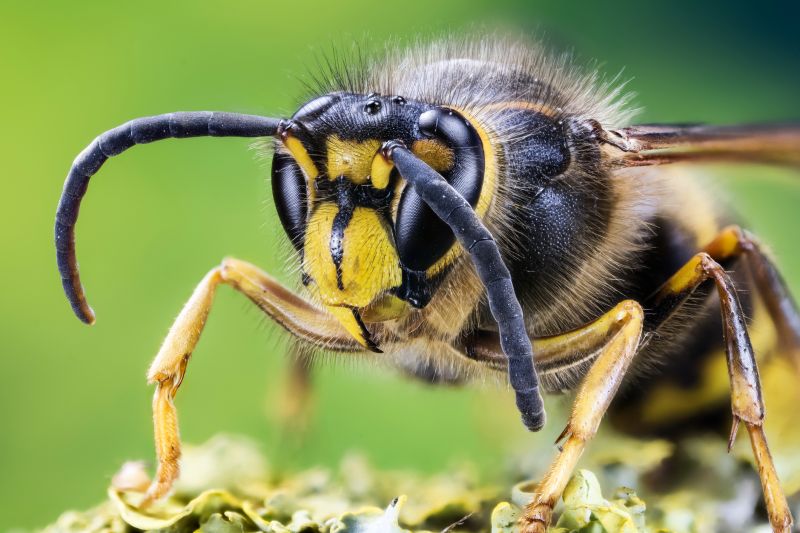
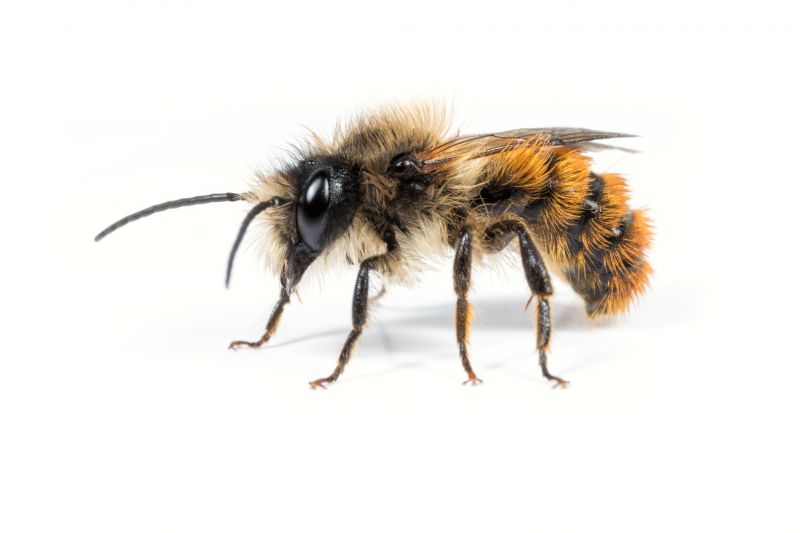

When searching for information about common stinging insects that invade homes, homeowners are often trying to identify which pests may be causing concern or damage. These searches typically stem from encounters with buzzing insects near entry points, nests found in eaves, walls, or attics, or reports of painful stings. Understanding the types of insects that commonly invade residential properties helps homeowners plan appropriate responses, whether that involves removal, prevention, or ongoing maintenance. This topic is especially relevant for those experiencing repeated insect activity or suspecting a nest close to living spaces, as it provides insight into which pests are likely responsible and what steps might be needed to address the problem.
The issues related to common stinging insects invading homes often involve safety concerns, property damage, and the potential for allergic reactions. When these insects establish nests on or near a residence, they can become aggressive if disturbed, increasing the risk of stings. Homeowners may also worry about the structural damage that nests in walls, eaves, or roof spaces can cause over time. Many property owners seek to develop plans for removal or prevention, which often include hiring local contractors who specialize in stinging insect control. These professionals can assess the situation, identify the species involved, and implement targeted solutions to eliminate the threat and reduce future invasions.
Properties most commonly affected by these insects tend to be residential homes, especially those with nearby trees, shrubs, or other landscaping features that provide ideal nesting sites. Attics, wall voids, eaves, and soffits are frequent locations for nests, as they offer sheltered spaces close to the home’s interior. Certain structures, such as older homes with cracks or gaps, are more vulnerable to insect entry and nesting. In addition to single-family houses, multi-unit buildings, like apartments or townhomes, can also be affected, particularly if they share common wall spaces or roof structures. Recognizing the typical property types and problem areas helps homeowners understand where to focus prevention efforts and when to seek professional assistance.
Local service providers who handle stinging insect control are equipped to manage infestations safely and effectively. They can identify the specific insects invading a property, whether they are wasps, hornets, or yellow jackets, and determine the best course of action for removal or nest destruction. These professionals often use targeted treatments to eliminate nests and prevent new ones from forming, helping to restore safety and peace of mind. Connecting with experienced local contractors ensures that homeowners receive tailored solutions based on the property’s unique layout and the insect species involved. This approach makes it easier for homeowners to address current invasions and implement ongoing prevention strategies to keep their homes protected from common stinging insects.
Pest Inspection Services - these projects involve thorough inspections to identify insect nests and entry points, which are essential steps in managing common stinging insects that invade homes.
Wildlife Exclusion Projects - these projects focus on sealing gaps and entry points to prevent insects like wasps and hornets from entering and establishing nests inside homes.
Yard and Perimeter Treatments - applying targeted treatments to outdoor areas helps reduce the presence of stinging insects near homes, complementing interior pest control efforts.
Insect Trap Installation - setting up traps for pests such as yellow jackets and paper wasps can aid in monitoring and reducing their populations around residential properties.
Structural Repair Projects - repairing damaged screens, soffits, and vents can eliminate potential nesting sites for common stinging insects that invade homes.
Seasonal Pest Management Plans - these plans involve strategic planning to control and prevent infestations of stinging insects during peak activity periods around homes.
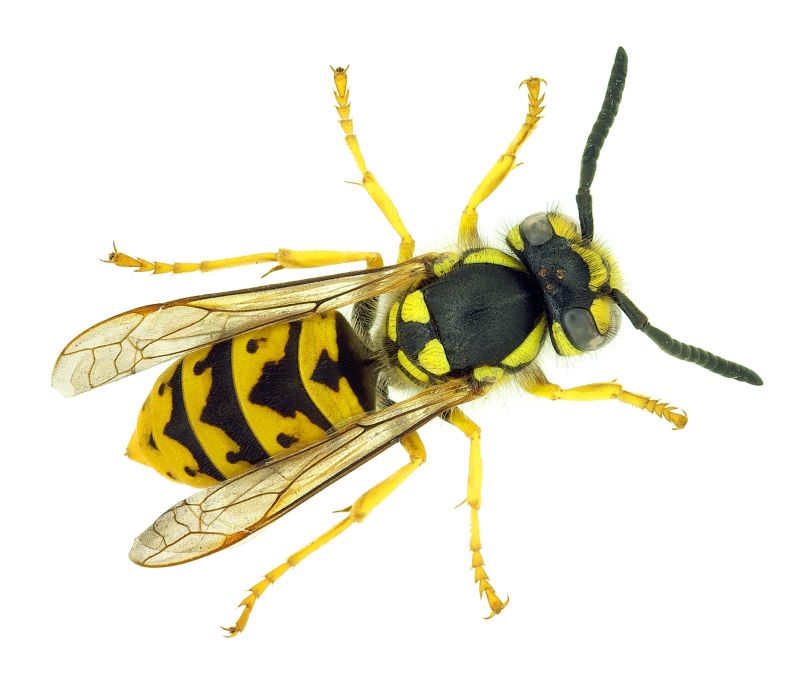
When evaluating service providers for stinging insects control, it is helpful to consider their experience with similar projects, particularly those involving common stinging insects that invade homes. An established contractor with a history of handling these types of infestations is more likely to understand the specific behaviors and nesting habits of insects such as wasps, hornets, or yellow jackets. This familiarity can contribute to more effective treatment plans and reduce the chances of recurring issues. Homeowners should inquire about the types of insects they have successfully managed in the past to ensure the contractor’s expertise aligns with the specific needs of their situation.
Clear, written expectations are essential when comparing local contractors for stinging insect control services. A reputable service provider should be able to outline the scope of work, including the methods used, the areas targeted, and any follow-up procedures. This transparency helps homeowners understand what to expect and prevents misunderstandings or surprises after the service is completed. It is also beneficial to seek out providers who can provide reputable references or testimonials that demonstrate their ability to deliver consistent results and handle similar projects effectively.
Good communication is a key factor in selecting the right local contractor for stinging insects control. Service providers who are responsive and willing to answer questions can help homeowners feel more confident about the process and ensure that concerns are addressed promptly. A contractor who clearly explains their approach, listens to homeowner input, and maintains open lines of communication can facilitate a smoother experience. This level of clarity and responsiveness often indicates a professional who values customer satisfaction and understands the importance of keeping clients well-informed throughout the project.
Property owners often search for common stinging insects that invade homes when they are planning practical projects around their homes and businesses. Local pros provide Stinging Insects Control services for everyday jobs and straightforward project options.
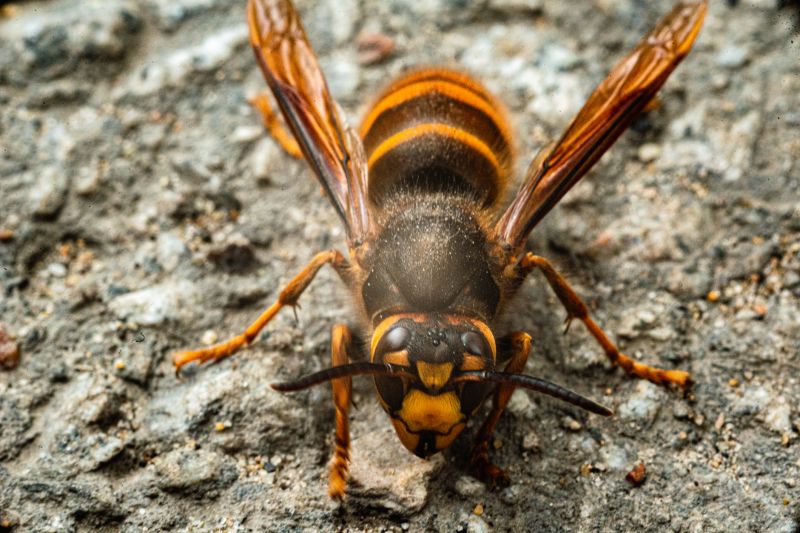
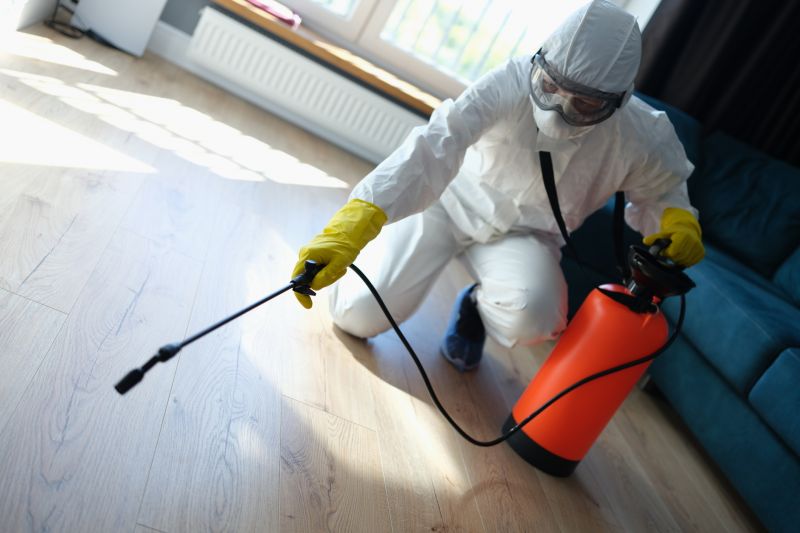
Homeowners in the area often encounter common stinging insects that invade homes, especially during warmer months when these insects are most active. These insects, such as wasps, hornets, and certain types of bees, tend to build nests near eaves, doorways, or in wall cavities, which can lead to unwanted encounters. Property owners might look up this topic when they notice increased insect activity around their property or suspect a nest nearby, especially if they or their family members are allergic to stings. Seeking the help of local contractors who specialize in stinging insects control can be a practical step to safely remove nests and prevent future invasions.
Understanding which stinging insects are likely to invade homes can help property owners decide when professional intervention is needed. Local service providers are equipped to handle the removal and management of these pests, reducing the risk of stings and property damage. When homeowners see signs of nests or persistent insect activity, reaching out to experienced contractors can provide a safer, more effective solution. These professionals can assess the situation and recommend appropriate treatment options to keep the home environment comfortable and pest-free.
What are the most common stinging insects that invade homes? The most common stinging insects that invade homes include wasps, yellow jackets, paper wasps, hornets, and mud daubers. These insects often seek shelter inside or around structures, especially during late summer and fall.
Why do these insects invade homes? These insects invade homes in search of food, shelter, or to establish nests. They are attracted to sweet foods, proteins, and areas with accessible entry points like gaps or cracks in walls and roofs.
How can local contractors help control stinging insect infestations? Local contractors can identify nesting sites, remove existing nests safely, and implement preventative measures to reduce the likelihood of future invasions by these insects.
Are there signs that indicate a stinging insect invasion in a home? Signs include increased insect activity near entry points, buzzing sounds, visible nests on eaves or walls, and the presence of dead insects or discarded nests around the property.
What steps can homeowners take to prevent stinging insects from invading their homes? Homeowners can seal cracks and gaps, keep food stored securely, remove debris and standing water, and schedule regular inspections with local service providers for nest removal and prevention measures.
Identify nesting sites - Property owners can survey their home exterior to locate potential nesting areas of common stinging insects that invade homes, enabling local contractors to target treatment effectively.
Seal entry points - Sealing cracks and gaps around windows, doors, and vents can prevent insects from entering indoor spaces, with local pros providing professional sealing services.
Remove attractants - Clearing away food debris, sugary drinks, and accessible trash can reduce attractants for stinging insects, making properties less inviting for these pests with help from local service providers.
Schedule preventative treatments - Regular pest control services can establish a barrier around the home, reducing the risk of invasion by common stinging insects that invade homes.
If you are thinking about common stinging insects that invade homes for a property, this guide is meant to help you understand this topic, the typical project types, and how different options might fit your plans.
When you are ready, you can use the quote form on this page to share a few details about your project. From there, local pros can review the basics and follow up with options that match what you have in mind.